Quick answer by project type
For most home projects in Parker, a 20 yard dumpster is the one to start with. It is our most popular size and handles kitchen and bath remodels, whole-home cleanouts, roofing jobs and landscaping. Go 10 yard for a small kitchen or bathroom remodel, a single-room or garage cleanout, a roof tear-off, or heavy material — concrete, tile or asphalt. Go 15 yard for a garage, attic or basement cleanout, flooring and carpet, a small deck or fence, or yard waste and tree trimming. Go 30 yard for a multi-room or full-house renovation, an estate or rental-property cleanout, or a retail or office remodel, and 40 yard for full-scale construction or demolition, warehouse cleanouts and commercial roofing. Not sure? Call (720) 964-2184 and we size it for you.
The rule of thumb we use: 10 and 15 yards for small cleanups, roofing or concrete; a 20 for home remodels and landscaping; a 30 or 40 for construction, demolition or large cleanouts.
The five sizes side by side
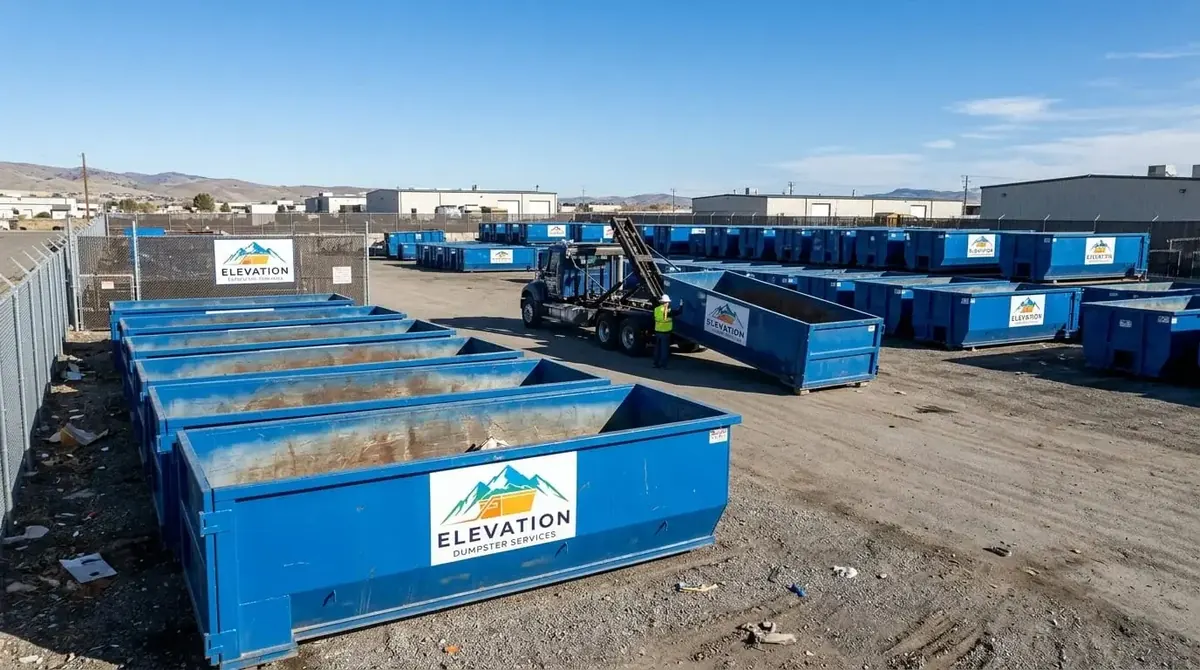
All five are open-top roll-offs about 7.5 feet wide. The 10 and 15 are shorter boxes; the 20, 30 and 40 share a 22-foot footprint and simply get taller. Trash bags and pickup loads are rough guides to volume — one pickup load is roughly 2 cubic yards. The weight column is the allowance included in the flat rate.
Most people under-count the pile. Estimate it before you call, not after the box arrives — and when your estimate lands between two sizes, go up. A second haul costs more than the extra yards.
Check the weight, not just the volume
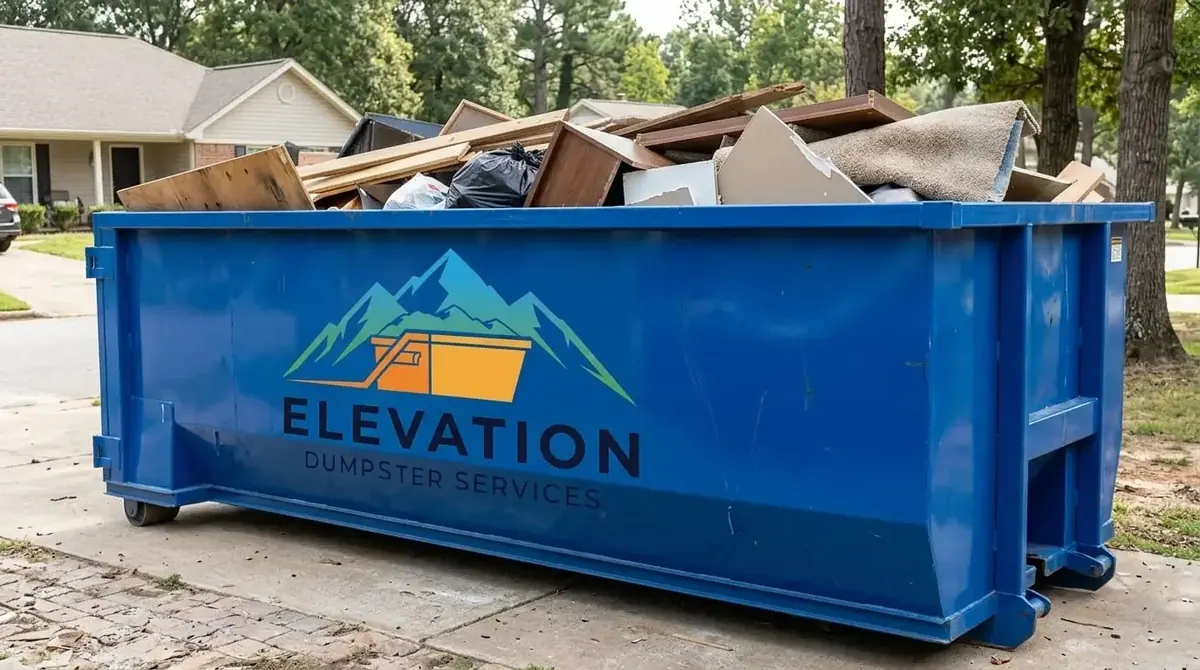
Volume and weight are two separate limits. Furniture and loose drywall are bulky and light; concrete, dirt, tile and roofing shingles hit the weight line long before the box looks full. We take concrete and dirt only in a 10 or 15 yard, because heavy materials have strict weight limits for safe transport. If more than half the load is dense, tell us first — the smaller box usually saves money.
Go over the allowance and we simply weigh the container and apply a low-cost overage fee, with no hidden terms; we tell you where the line is before you load. There is a height limit too: keep everything below the top rim. An overfilled dumpster cannot be hauled until the top comes off.
Measure the drop spot
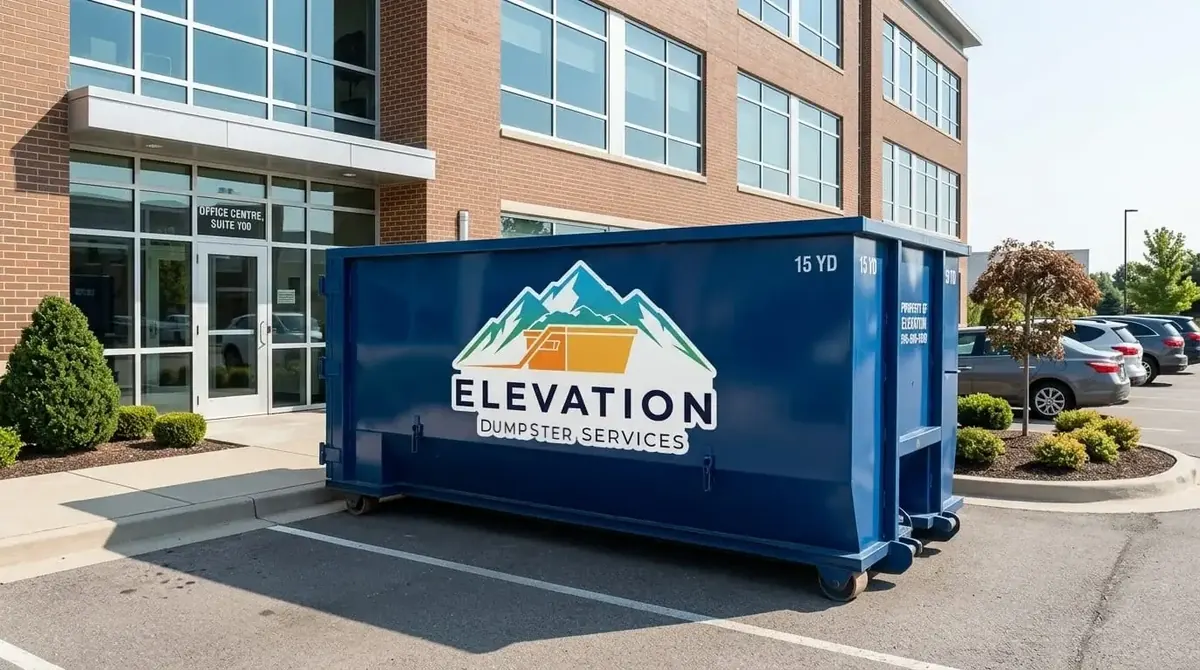
Allow 20 to 22 feet of length for the box itself, and about 60 feet of clear run for the truck to reverse in. Look up as well: the lift needs roughly 25 feet of overhead clearance, free of power lines and branches. The container needs a flat, stable surface — a driveway, gravel pad or paved lot. Keep it off grass, soft soil and septic systems, which the weight can damage. We lay boards under the wheels on driveways when needed. The 10 yard is compact and the easiest to fit on a tight driveway.
Keep it on private property where you can. In Parker we found no Town permit for a roll-off on your own driveway, but the Town requires a Street Occupancy Permit for a dumpster in the right-of-way for more than 24 hours. Some neighbors are stricter about the driveway itself: Castle Rock's code bars refuse containers in the front-yard setback without Town approval, Centennial wants a residential dumpster at least 5 feet from any property line, and in Highlands Ranch HRCA asks for a call before a dumpster goes on the driveway. The permit guide covers all 17 places we serve.
Why the trash cart will not do it
Parker has no Town trash truck to fall back on. The Town says "Recycling (as well as general trash disposal) is not a service provided by the Town of Parker," so homes rely on an HOA contract or their own subscription — sized for weekly bags, not a remodel.
The neighbors are similar. In Lone Tree, the City's partner Waste Connections collects large or bulky items only "by special arrangement with the resident," paid for by the resident. Greenwood Village's Large Item Pickup refuses roofing and siding, drywall, fences and decks, concrete and asphalt, landscaping materials and anything from a project that needs a building permit. Foxfield's Republic Services carts are 96 gallons, and trash and yard waste must fit in them. Larkspur's free Town dump bans concrete, rocks and mattresses. A roll-off is for the pile that is bigger, heavier or sooner than any of that allows.
Five ways to get the size right
- Estimate the debris before you call. Count rooms, squares of roof or pickup loads.
- Allow for bulky items. Furniture and drywall take up more room than they weigh.
- Ask about weight, not just yardage. Concrete, dirt and shingles go by weight.
- Size up when in doubt. It beats a second rental.
- Call early. Call before noon for the best chance of same-day delivery; next-day is available in most areas.
Describe the job on the phone — the materials, the scope and the timeline — and we recommend the size that fits, not the one that is easiest for us to deliver.